01How the majors decide what to build next
Every barrel produced today was paid for years ago. The long lead times of oil and gas development mean that where the majors spend their money now shapes the energy mix a decade hence — which makes capital allocation the most consequential decision any large energy company makes.1
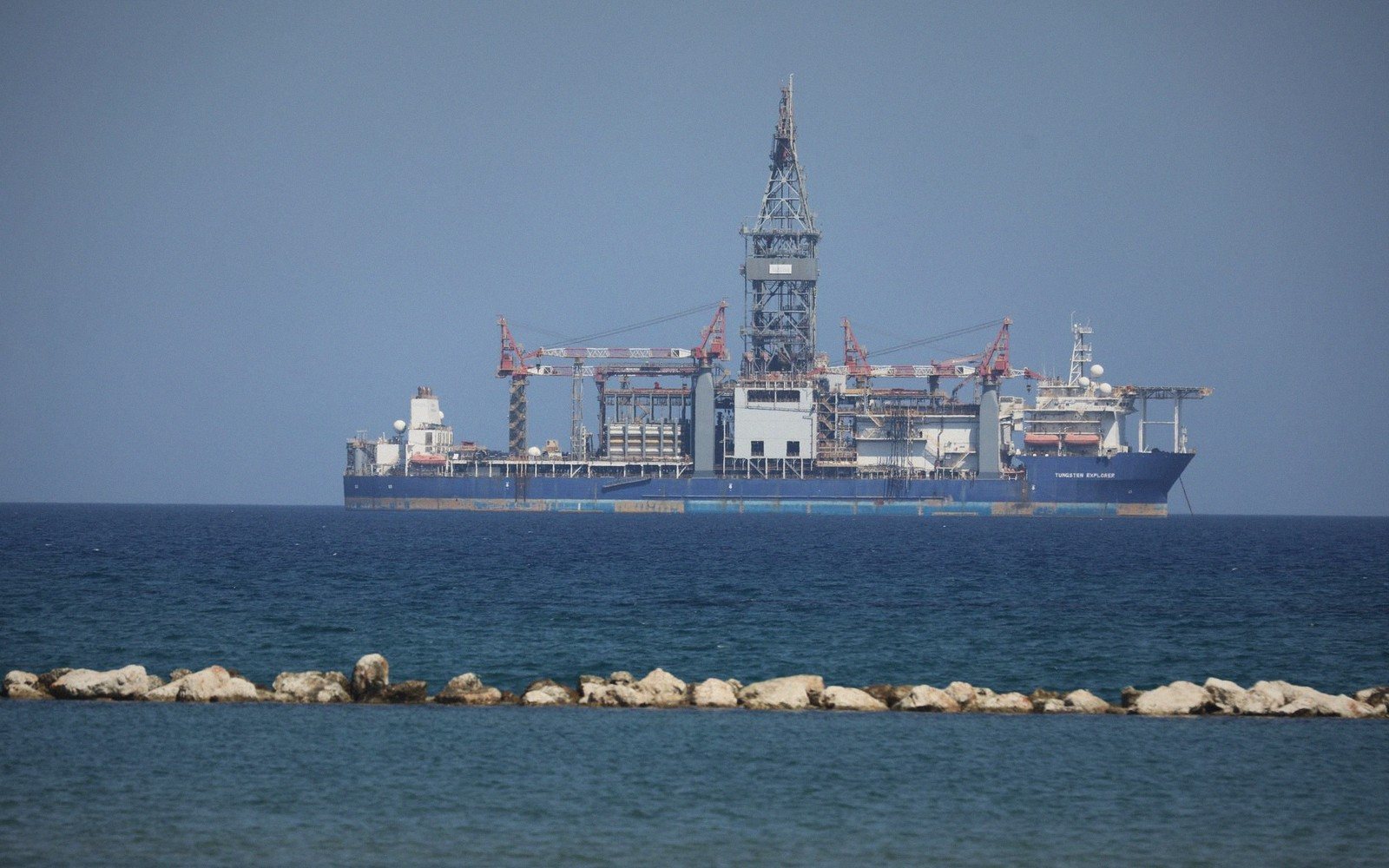
The basic logic is familiar from any capital-intensive industry: weigh expected returns against risk, discount future cash flows to a present value, and rank projects accordingly. In practice, energy capital decisions are considerably messier. A deepwater platform may take a decade to sanction, build and bring onstream, by which point the price environment that justified it may have shifted entirely. A shale pad, by contrast, can go from permit to first oil in months — a flexibility that has made short-cycle investment increasingly attractive relative to long-cycle megaprojects.3
The majors typically run their investment portfolios across multiple time horizons simultaneously. Near-term spending maintains and optimises producing assets. Medium-term capital goes to projects already under construction. Longer-term commitments — the ones that attract the most scrutiny — are tested against a range of internal price assumptions, sometimes called price decks, that represent the company's view of where the market might be years out. When those price decks diverge sharply from spot prices, the gap between announced plans and eventual decisions can be wide.2
02Oil's place in a shifting mix
For most of the industry's history, the capital allocation question was essentially about where to find more oil and gas, not whether to. That framing has become more complicated. Demand for different fuels is shifting — gradually in aggregate, but unevenly by region and sector. Aviation and heavy industry remain difficult to decarbonise, keeping liquid fuels relevant well into the future; passenger-vehicle oil demand is more contested. The majors have to take a view on all of this before committing capital.
Different companies have answered that challenge differently. Some integrated giants have moved aggressively to diversify — investing in renewables, power trading and low-carbon infrastructure alongside conventional hydrocarbons. Others have concluded that their comparative advantage lies in hydrocarbons, and that returns from new energy businesses remain too thin or too uncertain to justify large allocations. Neither answer is obviously wrong: the range of plausible outcomes for energy demand over a twenty-year horizon is genuinely wide.
What has changed in recent years is that the majors face pressure from multiple directions simultaneously. Shareholders want returns — dividends and buybacks have consumed a large share of cash flow across the industry. Lenders and investors increasingly ask about carbon exposure and stranded-asset risk. Governments offer incentives in some jurisdictions and impose windfall levies in others. The result is a capital allocation environment markedly more complicated than the relatively simple "find more, produce more" logic of earlier decades.
One structural consequence is a preference for flexibility. Projects that can be scaled up or down quickly, that carry shorter payback periods, or that hedge across multiple scenarios are valued more highly than they once were. Long-cycle megaprojects have not disappeared — certain deepwater and LNG investments remain attractive — but they face a higher internal hurdle.
The underlying tension is real and unresolved: oil and gas remain the core cash engines that fund everything else, including any diversification. Without strong returns from hydrocarbons, there is no surplus capital to allocate elsewhere. That circularity — fossil fuels funding the transition away from fossil fuels, at least in part — is not a contradiction to be resolved so much as an operating reality the majors manage every year.
Neither answer is obviously wrong: the range of plausible outcomes for energy demand over a twenty-year horizon is genuinely wide.