01The Two Great Networks
Oil and gas don't move themselves. Between the wellhead and the end user lies a vast physical infrastructure of buried steel pipe, pressurised compressor stations, pump houses, loading terminals and ocean-going tankers — the circulatory system of the global energy trade. Understanding how that system works, and where it can seize up, is inseparable from understanding why energy prices behave the way they do.
Pipelines are the preferred route whenever geography allows. They are cheap to operate per unit of throughput, highly reliable and essentially invisible once buried. Crude oil flows from production fields to coastal export terminals or inland refineries through trunk lines that can run for thousands of kilometres. Refined products — gasoline, diesel, jet fuel — travel on separate product pipelines to distribution hubs and storage terminals closer to consumers. Natural gas moves through its own dedicated network, which operates at far higher pressures and requires compressor stations every hundred kilometres or so to keep molecules moving. The world's longest gas networks span entire continents, linking Siberian fields to European industrial centres or Texan production basins to cities on the eastern seaboard.
Pipelines are also expensive to build, slow to permit and geographically fixed once they exist. A barrel can only go where a pipe has already been laid. That rigidity creates chokepoints — specific sections of the network where capacity is scarce and any disruption has outsized consequences. Narrow mountain passes, river crossings, politically contested borders and ageing urban infrastructure all concentrate risk into short stretches of steel. When a strategic pipeline goes down for maintenance, or is damaged, or a transit country halts flows in a pricing dispute, the effect fans out rapidly through markets that assumed the molecules would arrive on schedule.
02Tankers: Floating Flexibility
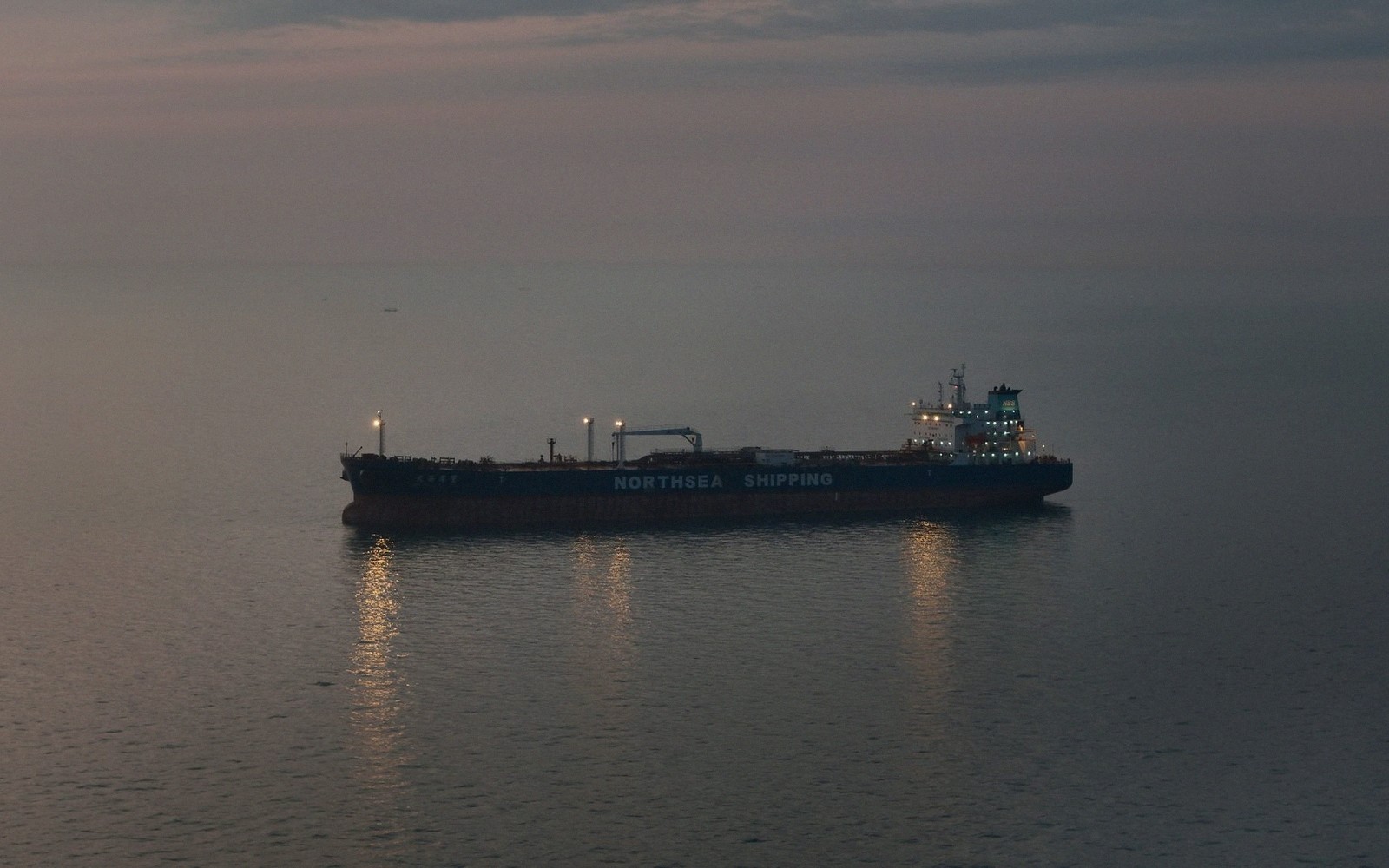
Where pipelines cannot reach, tankers fill the gap — and they have one decisive advantage that pipe can never match: they can go anywhere a port can receive them. The crude tanker fleet connects every major export terminal on earth to every major refining centre, making the seaborne oil market genuinely global in a way that pipeline markets are not.
Tanker capacity is measured in deadweight tonnes, or DWT — the total weight a vessel can carry. At the large end of the scale sit VLCCs, Very Large Crude Carriers, which can carry around two million barrels each. These giants load at deep-water terminals in the Arabian Gulf, West Africa and the US Gulf Coast and discharge at refineries in Asia and Europe. Smaller vessel classes — Suezmax, Aframax — handle regional trades and ports that can't accommodate the largest hulls.123
Because tankers are mobile assets, shipping capacity responds to price signals faster than pipe capacity ever can. When freight rates spike, owners re-route vessels, speed up delivery schedules and draw idled ships back into service. Conversely, when demand softens, tankers can anchor offshore and serve as floating storage — a visible, countable inventory signal that traders watch closely.
The chokepoints in the tanker network are geographic: narrow straits through which a disproportionate share of global oil must pass. The Strait of Hormuz, between the Arabian Peninsula and Iran, carries roughly a fifth of global oil trade. The Strait of Malacca, between the Malay Peninsula and Sumatra, links the Indian Ocean to the refineries of Northeast Asia. Bab el-Mandeb at the mouth of the Red Sea, and the Suez Canal itself, route much of the trade between producers and European consumers. Disruption at any one of these points forces oil onto longer alternative routes, adding days of sailing time and driving freight costs sharply higher — a cost that eventually reaches the pump.
The chokepoints in the tanker network are geographic: narrow straits through which a disproportionate share of global oil must pass.
03When the System Strains
The plumbing of energy is remarkably robust in ordinary times; it has been engineered, over decades, with redundancy in mind. But no network is perfectly redundant, and several structural pressures periodically test it. Geopolitical events near key choke points raise insurance premiums and rerouting costs almost instantly. Underinvestment in pipeline maintenance creates slow-building reliability risks that become acute during peak demand periods. Sanctions regimes remove specific vessels or routes from the legal trading network, forcing cargo to travel on longer, less efficient paths.
The capacity of this infrastructure also shapes where new production makes commercial sense. A discovered resource with no export route is economically stranded, regardless of its size. Conversely, regions well-served by both pipeline and deep-water terminal access attract investment more readily, because the pathway to market is already in place. In that sense the pipelines and tankers don't merely carry the barrel — they partly determine which barrels get produced at all.
Key players & places