01The geography of American shale
Shale is not distributed evenly. The productive formations cluster in a handful of sedimentary basins, each with its own geology, economics and history. Understanding which basins matter — and why they rank the way they do — is the starting point for making sense of the shale era.
The Eagle Ford in south Texas was one of the early proving grounds. A relatively thin, organic-rich formation, it ramps up and declines quickly, making it a useful barometer of how fast shale can respond to a price signal. At its peak it produced well over a million barrels a day, though it has since settled into a steadier, more mature output profile.
The Bakken, straddling North Dakota and Montana and extending into Saskatchewan, was among the first formations to demonstrate that horizontal drilling and hydraulic fracturing could unlock commercial quantities of tight oil. It remains a significant producing region, though its remoteness from Gulf Coast refining and export infrastructure has historically weighed on the netback price producers receive there.13
The Marcellus and Utica shales, running beneath Pennsylvania, West Virginia and Ohio, are a different animal: predominantly natural gas and natural gas liquids rather than oil. The Marcellus in particular is one of the most prolific gas-producing formations in the world, and its development fundamentally changed North American gas markets by flooding a region that once imported LNG with abundant domestic supply.
The DJ Basin in Colorado and the Anadarko Basin spanning Oklahoma and the Texas panhandle round out the major plays. Both have contributed meaningfully to shale output, though neither has matched the scale or the sustained growth of the formation that now dominates the conversation.
02Why the Permian stands apart
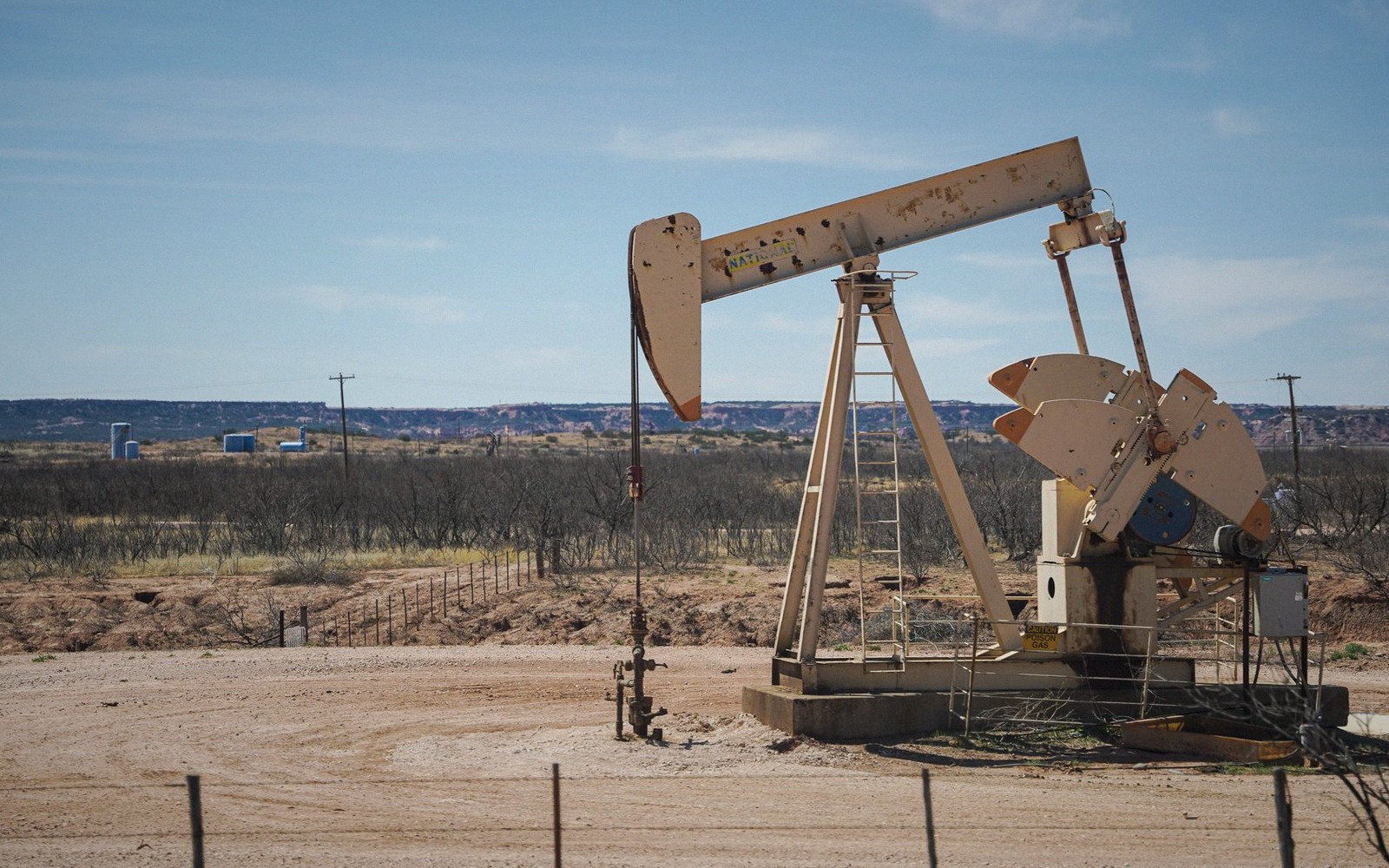
The Permian Basin in west Texas and southeastern New Mexico is, by almost any measure, in a league of its own. It covers roughly 75,000 square miles and contains multiple stacked pay zones — the Spraberry, Wolfcamp, Bone Spring and Dean formations among them — meaning a single wellpad can target several productive intervals in succession. That stacking is unusual and enormously valuable: the same surface footprint, the same roads and water infrastructure, can support far more total resource recovery than a single-zone play.2
The Permian also benefits from decades of conventional production history. The infrastructure — pipelines, processing plants, roads, water disposal networks — was already partly in place when horizontal drilling arrived, lowering the cost and time needed to bring new barrels to market. The rock quality in the core of the Delaware and Midland sub-basins is among the best in the country, with wells producing at rates and over lifespans that justify the capital required.
The result is a basin that, taken alone, would rank among the world's largest oil-producing nations. Its output has climbed steadily through boom and bust cycles that knocked other plays back sharply, partly because the sheer depth of its drillable inventory — hundreds of thousands of identified well locations in some estimates — means operators can keep high-grading: always moving to their best acreage.
That resilience has made the Permian a genuine swing factor in global oil markets. When prices fall, Permian growth slows but rarely reverses dramatically; when prices recover, activity returns quickly because the infrastructure is there and the rock is forgiving enough to remain economic at moderate price levels. The basin's breakevens and rig counts tell this story clearly — costs per barrel have fallen through repeated efficiency cycles, and rig activity tracks price with a lag measured in weeks, not years.
Ownership has consolidated steadily. The major integrated companies that once ceded shale to independent operators have moved back in, drawn by scale, longevity and the capital efficiency that stacked-pay geology provides. The Permian is now home to some of the largest corporate transactions in the industry's recent history.
Other basins will produce for decades. But the Permian's combination of scale, geology, infrastructure and operational history means that when analysts, traders and policymakers talk about American oil supply, they are, in large part, talking about a single basin in the high desert of west Texas.
The Permian Basin in west Texas and southeastern New Mexico is, by almost any measure, in a league of its own.
Key players & places
- Tight oil — crude extracted from low-permeability rock using horizontal drilling and fracking ↩
- Stacked pay zones — multiple distinct productive formations lying vertically above one another in a single basin ↩
- Netback — the wellhead price a producer receives after deducting transport and processing costs ↩