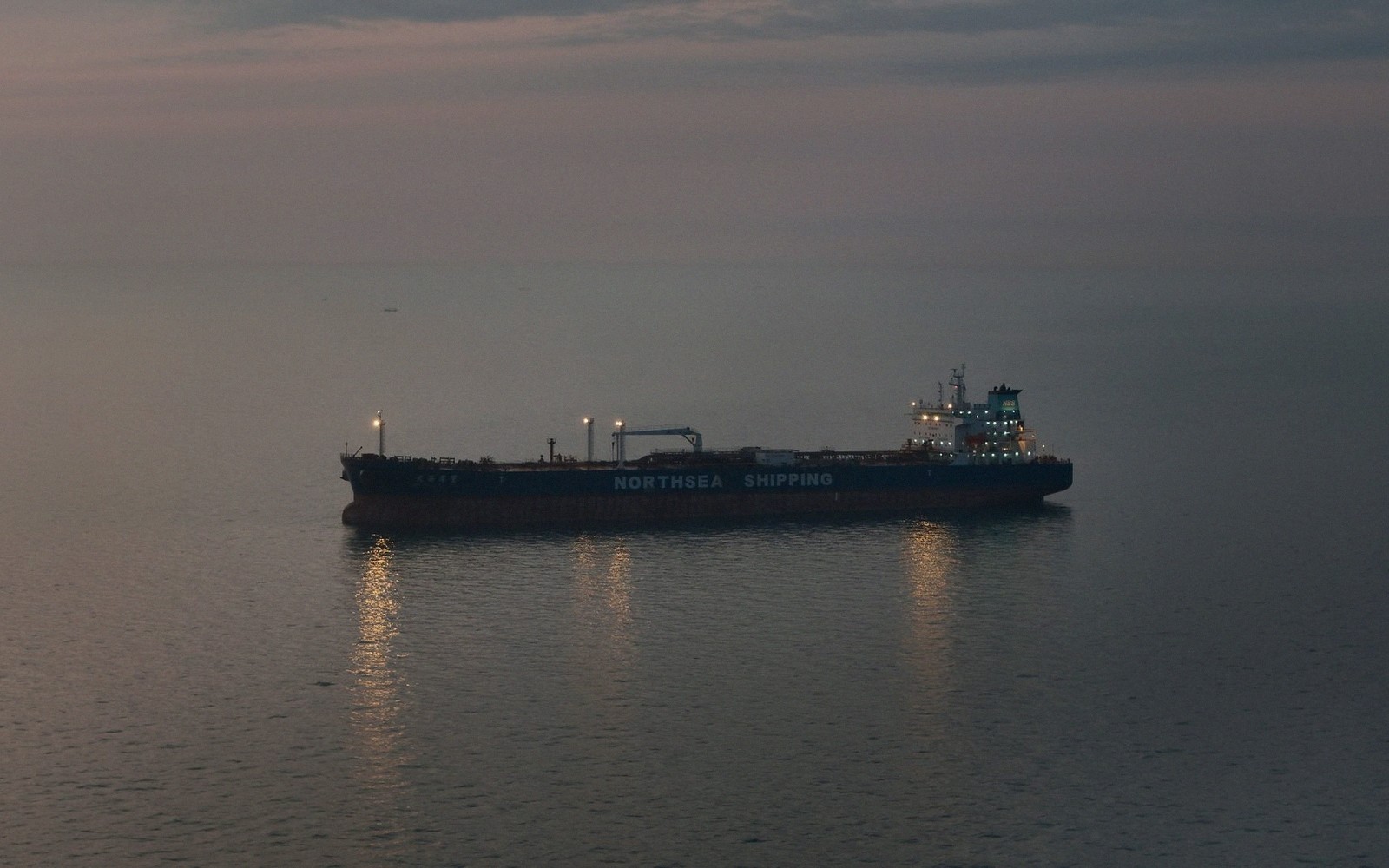
01Oil Travels by Sea
Most internationally traded crude moves on tankers, and tanker routes are not evenly spread across the ocean. They funnel through a small number of narrow passages where continents nearly meet. These maritime chokepoints are the pinch-points of the global energy system: geography forces a large volume of oil through a small gap.
Because so much depends on so few passages, the security of these straits is a permanent concern for importers and exporters alike.
02The Critical Passages
The Strait of Hormuz, between the Persian Gulf and the open ocean, is the most cited — a large share of seaborne crude and much of the world's liquefied gas passes through it. The Strait of Malacca links the Indian and Pacific Oceans and feeds East Asia's refineries. The Bab-el-Mandeb and the Suez Canal (with the parallel SUMED pipeline) connect the Gulf and Asia to Europe. The Turkish Straits carry Black Sea crude to the Mediterranean, and the Panama Canal links the Americas.
Each passage connects specific producing regions to specific markets, so a problem at one strait reroutes a particular set of flows rather than the whole market at once.
A threat to a strait can move the price even if not a single tanker is ever turned back.
03Why a Narrow Sea Moves the Price
The market does not wait for a strait to actually close. The mere threat — a rise in tensions, an incident, a warning to shipping — prices in risk immediately, because the possible loss of supply is large and sudden. If barrels do have to reroute, the alternative voyages are longer, tie up more tankers and cost more, and that friction shows up in freight rates and, eventually, the crude price.
This is why a distant naval standoff can nudge the pump price a world away.
04Redundancy and Resilience
The system is not defenceless. Pipelines that bypass certain straits, alternative sea routes, diversified supply and idle spare capacity elsewhere all soften the blow of a single disruption. The more redundancy the network holds, the less any one chokepoint can dictate — which is exactly why building bypass capacity is itself a geopolitical act.
Figures on this page are illustrative or qualitative, shown to frame scale; QR Energy is non-partisan on energy policy and takes no side.