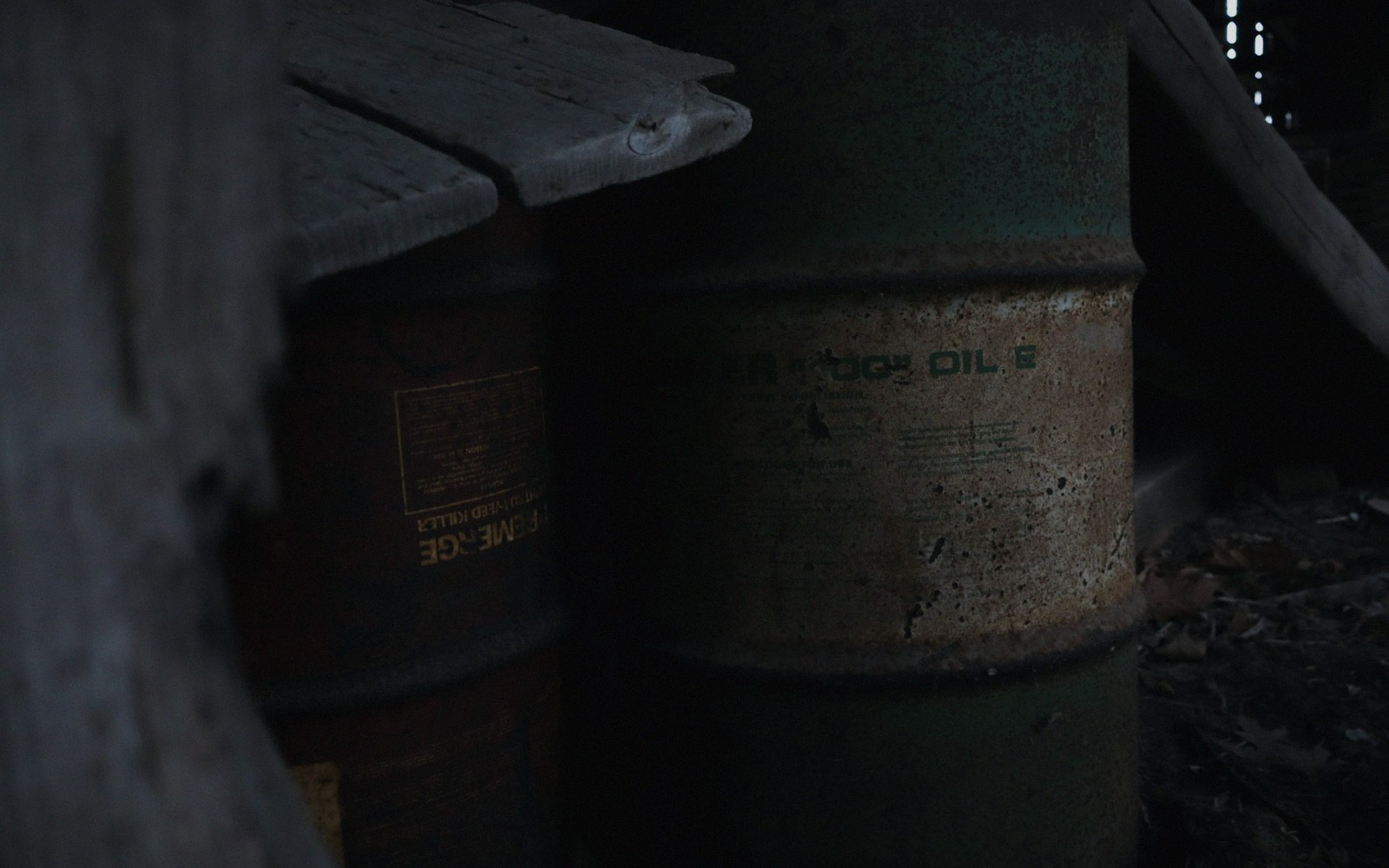
One unit, dozens of products — the crude barrel is less a fuel and more a raw material waiting to happen1
A barrel of crude oil holds 42 US gallons. That number dates to the early Pennsylvania oil trade, when 42-gallon wooden casks became the standard shipping container — and the unit stuck, long after steel pipelines replaced wooden barrels entirely. Today no one physically ships oil in barrels; the barrel is simply a unit of measure, as abstract as a bushel of wheat. But what that unit actually contains is anything but simple.
01What's inside crude, before it becomes anything
Raw crude is a mixture of hydrocarbons — molecules built from hydrogen and carbon atoms arranged in chains of varying length. Short chains are light and volatile; long chains are heavy and viscous. A barrel of light, sweet crude from West Texas looks and behaves very differently from a barrel of heavy, sour crude from Venezuelan fields or Canadian oil sands. "Light" refers to density; "sweet" means low sulphur content. These qualities determine what a refinery can extract and how much processing it takes to get there.3
Before a drop becomes petrol or plastic, the crude travels to a refinery, where heat and pressure drive the separation process. The primary technique is fractional distillation: crude is heated in a tall column, and its components boil off at different temperatures, rising to different levels where they condense and are drawn away. Each fraction has a different character and a different destination.
02The barrel's breakdown — roughly
No two barrels yield exactly the same product slate, and the mix shifts depending on refinery configuration and crude quality. But a barrel of typical light crude processed in a sophisticated refinery produces, very roughly, the following:2
Gasoline (petrol) claims the largest single share — somewhere around 40–45% of the barrel by volume in a US-style refinery optimised for transport fuels. It is the fraction the entire downstream industry is largely built around.
Distillate fuels — diesel and heating oil — account for a further roughly 25–30%. Diesel's energy density makes it the preferred fuel for heavy transport, shipping and agriculture worldwide. Heating oil is chemically nearly identical to diesel.
Jet fuel (kerosene) takes around 8–10%. Aviation has no practical alternative to liquid hydrocarbon fuel at scale, making this fraction particularly inelastic in demand.
Residual fuel oil, the heavy fraction left at the bottom of the distillation column after lighter products have been drawn off, historically fuelled large ships and industrial boilers. Its share has shrunk as refineries have grown more sophisticated — using processes like catalytic cracking to "upgrade" heavy residues into lighter, more valuable products.
Liquefied petroleum gases (LPG) — propane and butane — emerge from the lightest fractions. They are used as heating and cooking fuels and as feedstocks for petrochemical plants.
Petrochemical feedstocks deserve special mention. Naphtha, a light fraction sitting between gasoline and kerosene, is the critical raw material for plastics, synthetic fibres, fertilisers, solvents, pharmaceuticals and much of modern chemistry. When you hear that oil underpins industries far beyond transport, this is largely what that means — the barrel feeds the chemical industry as surely as it feeds the fuel tank.
Smaller volumes of asphalt, lubricating oils and waxes round out the yield. Asphalt paves roads; lubricants keep engines and industrial machinery running; waxes appear in everything from candles to food packaging.
Distillate fuels — diesel and heating oil — account for a further roughly 25–30%.
03More than fuel
The barrel's real complexity is that refineries don't just separate what's already there — they chemically rearrange molecules to optimise the product slate for current demand. Catalytic cracking, hydrocracking and reforming all convert lower-value fractions into higher-value ones. The result is that the barrel is less a fixed thing than a flexible input: what comes out depends on what the market wants, what the refinery can do, and what crude went in.
That flexibility — the ability to shift the output mix — is a large part of what makes crude oil so persistently central to the industrial economy.
| Fraction | Typical destination | Share |
|---|---|---|
| Gasoline | Light-vehicle transport | ~40–45% |
| Distillate | Diesel, freight, heating oil | ~25–30% |
| Jet fuel | Aviation | ~8–10% |
| Residual fuel oil | Shipping, industrial boilers | ~5–8% |
| Naphtha / LPG | Petrochemicals, plastics, heating | ~5–10% |
| Asphalt, lubricants, waxes | Roads, machinery, packaging | remainder |
Key players & places